Deep Sea Fishing — Belize
Deep Sea Fishing in Belize:
Offshore Out of Placencia
Sailfish, marlin, wahoo, and dorado on an underrated Caribbean fishery. Peak season November to March.
The Offshore Fishery That Gets Overlooked
Belize built its reputation on flats fishing. The permit, bonefish, and tarpon fishery draws most of the anglers who come here, and it deserves the attention it gets. What does not get the same attention is what happens on the other side of the reef: open Caribbean water, deep drop-offs, and a billfish fishery that most of the sportfishing world has not caught up with yet.
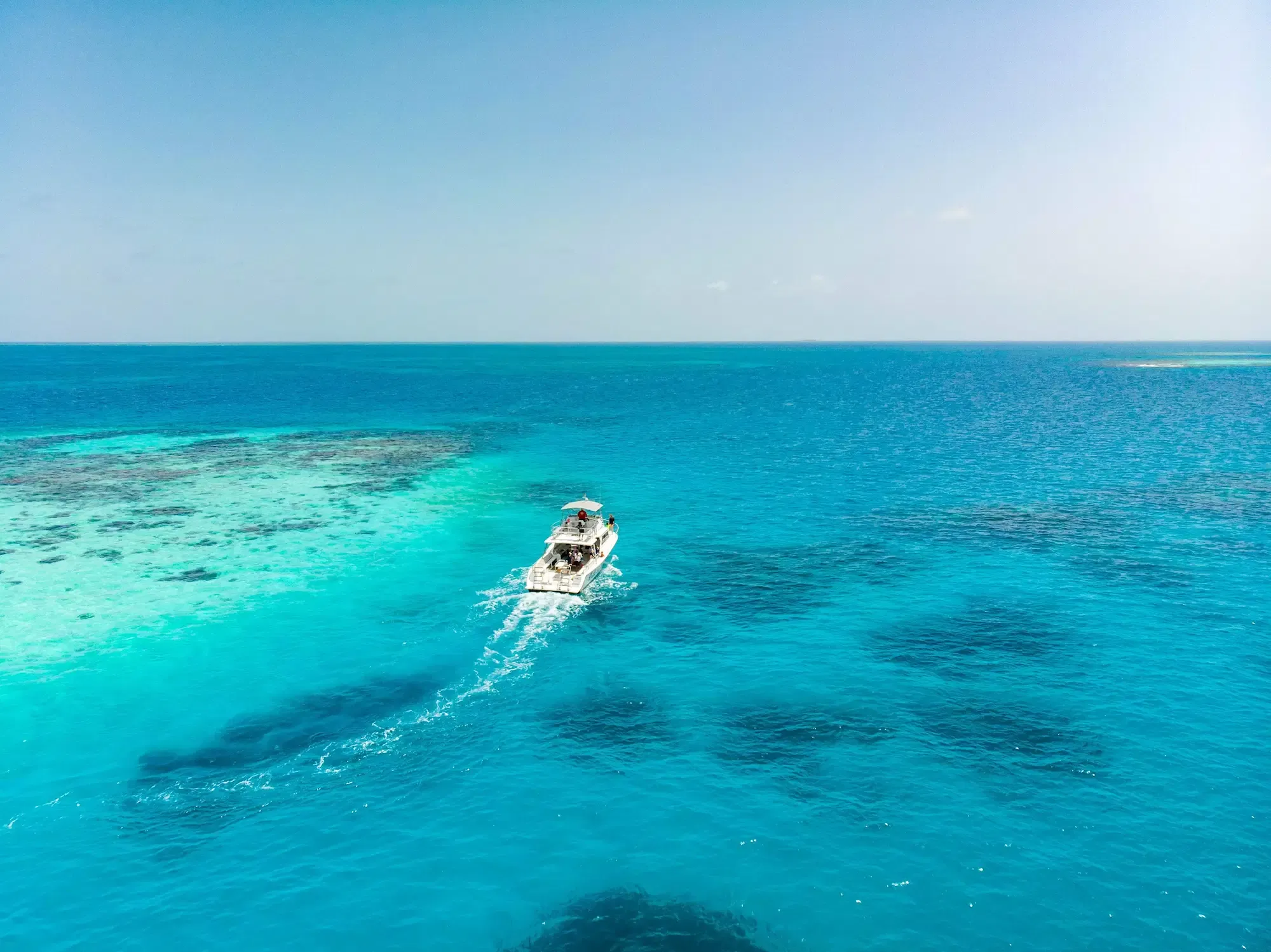
The productive offshore water runs south of the Placencia Peninsula, where the Caribbean shelf drops quickly into deep blue. Baitfish stack along those contours during the winter months, and the sailfish follow. So do blue marlin, wahoo, and dorado. The boats running out of Placencia are not competing with fleets from Cabo or Costa Rica for the same water. They are fishing a stretch of Caribbean that remains, by any honest measure, underworked. For the full picture of what Belize offers on both sides of the reef, see the guide to fishing in Belize.
What You're Chasing Out Here
Sailfish
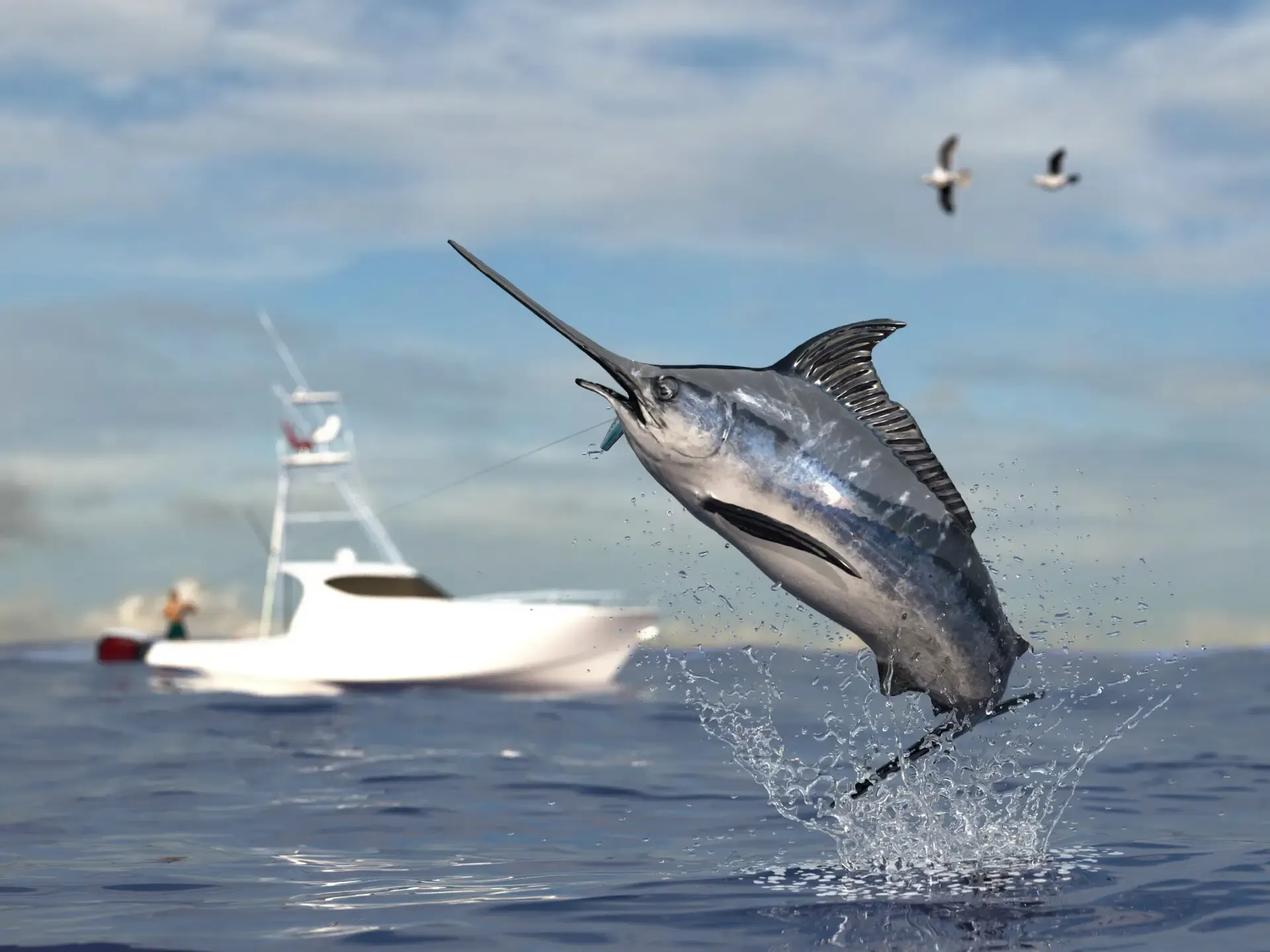
Sailfish are the primary target out of Placencia from November through March. When the baitfish concentrate along the drop-offs and the water cools, the fish stack in numbers. They are aggressive, they eat a teaser willingly, and they clear the water on the strike. On a good day, multiple hookups are realistic; on a slower one, you may raise fish without connecting. That is offshore fishing. Most sailfish are released, which is how it should be.
Blue Marlin
Blue marlin are present in the same offshore water, less concentrated than sailfish but considerably larger. A 300-pound blue that takes a trolled lure is a different physical experience from anything on the flats or the reef. They are not the primary reason to run out of Placencia, but the captains who fish this water know the depth contours that hold them.
Wahoo
Wahoo are fast, violent strikers and among the best-eating fish in the Caribbean. They run year-round in the offshore water south of Placencia but peak during the winter, which aligns cleanly with the sailfish season. Fish average 20 to 40 pounds, with larger specimens possible. A wahoo in the cooler at the end of the day is not a consolation prize.
Dorado
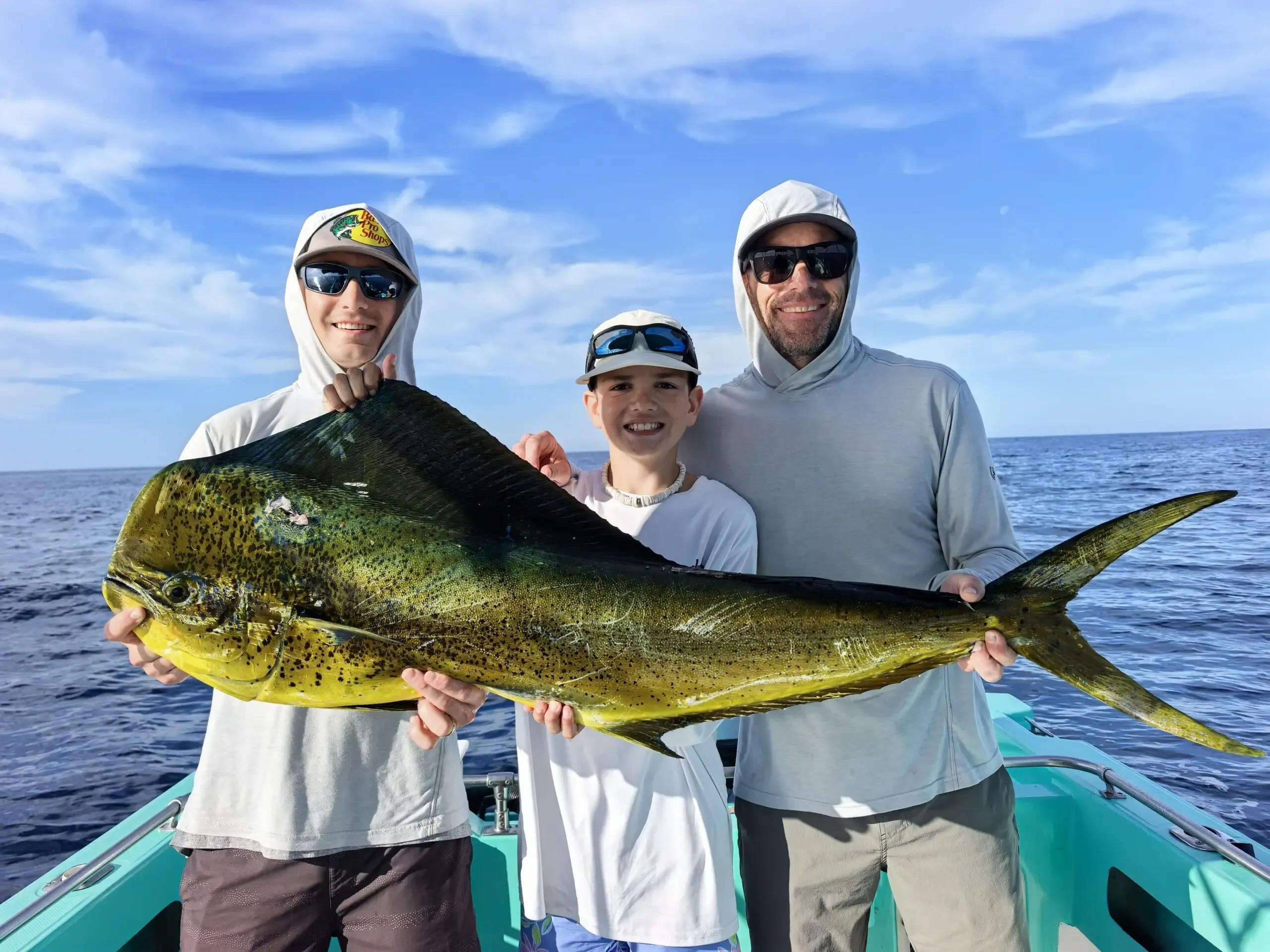
Dorado concentrate around floating weed lines and surface debris, which the captain tracks actively. One hookup in a school often fires up the others: the key is to keep a fish in the water while the rest of the group gets lines in. They are available year-round, bright in color, acrobatic, and good to eat. They fill out the scorecard on any offshore day and keep the action honest when the billfish are not cooperating.
When to Be Offshore
Placencia's offshore season is driven by baitfish movements and water temperature. The November to March window is when you plan a dedicated trip.
| Species | Peak Season | Notes |
|---|---|---|
| Sailfish | November – March | Primary season; cooler water concentrates fish on the drop-offs |
| Blue Marlin | Year-round | Present offshore; less predictable than sailfish |
| Wahoo | November – February | Year-round; winter peak aligns with sailfish season |
| Dorado | Year-round | Best around weed lines; productive spring through summer |
| Blackfin Tuna | Year-round | Reliable secondary catch on most offshore days |
Outside the winter window, the fishing continues but the billfish concentrations thin. Anglers targeting wahoo and dorado specifically have more flexibility through the year.
A Day Out of Placencia
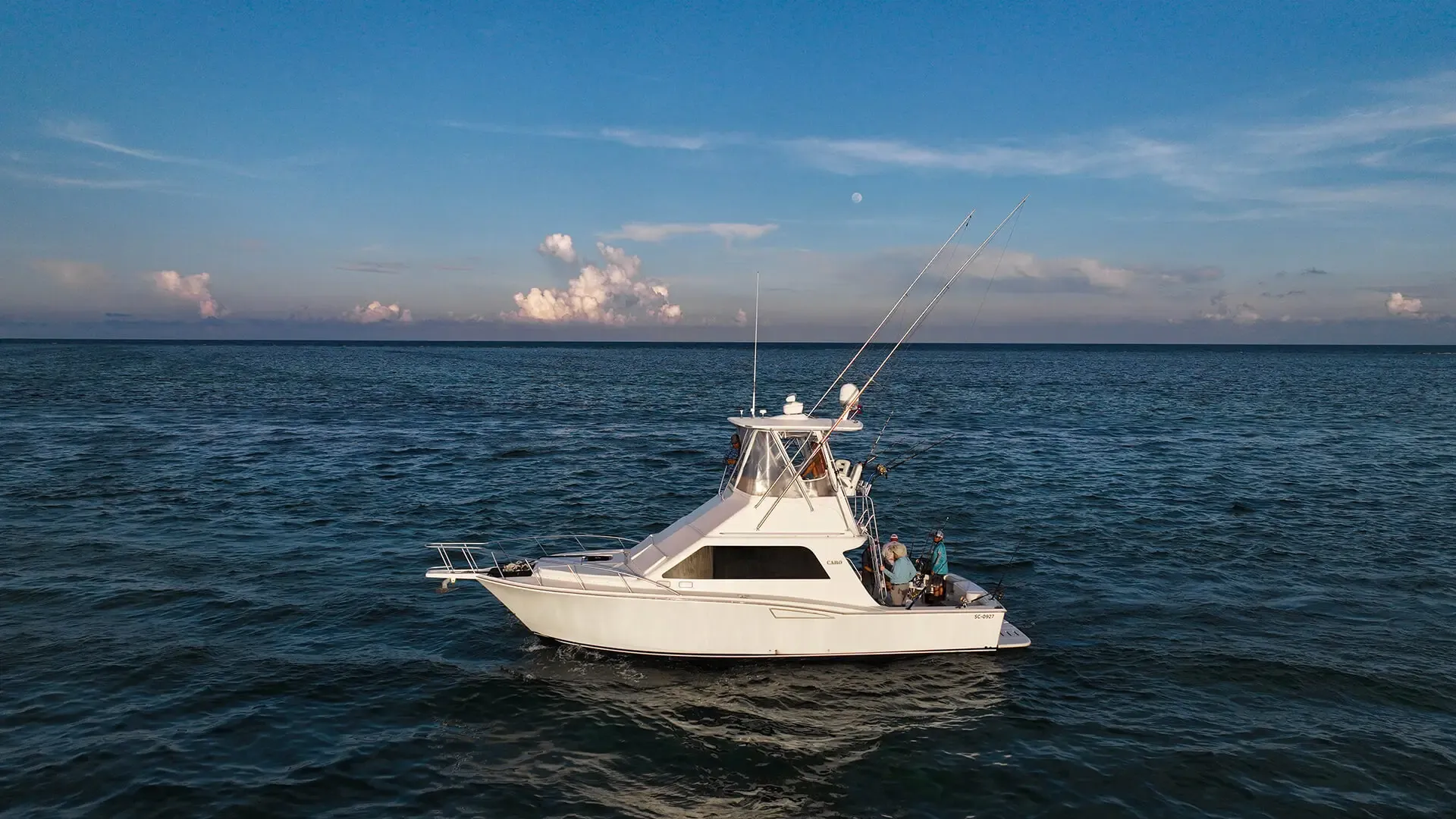
Offshore trips run full days: eight to ten hours on the water. The productive grounds are a run south of the peninsula, into open Caribbean water. The captain works a spread of lures and teasers across the depth contours that hold bait, adjusting based on water color, temperature breaks, and surface activity.
Tackle is provided. The captain and mate handle the spread, clear lines, and get the rod in your hands when something is on. Your job is to fight the fish. Billfish are released. Wahoo and dorado are yours to keep if you want them.
Placencia is a 45-minute domestic flight from Belize City, or a four-hour drive south. It is more remote than San Pedro, and worth planning around. Most anglers who come specifically for the offshore book two or three days on the water to make the run worthwhile. For those combining an offshore trip with fly fishing on the flats, both fisheries are on the calendar and the logistics are manageable.
What Anglers Say
Our offshore day out of Placencia exceeded expectations from the start. We found birds working early, hooked into sailfish before midday, and finished the trip with fresh mahi for dinner. The captain and crew worked together seamlessly and made the entire experience feel relaxed but extremely professional at the same time.
Ryan C.
Calgary, Canada
I've fished offshore in Costa Rica, Panama, and Mexico, but Belize genuinely surprised me. The fishing grounds were close enough that we spent more time fishing than running, and we hooked a blue marlin within the first couple of hours. The crew stayed composed during the fight and coached me through the entire process. One of those fishing days you remember for years.
Chris T.
Miami, Florida, USA
What I appreciated most was how uncrowded everything felt. No fleets of boats chasing the same fish, no chaos on the radio, just clean blue water and experienced local captains who clearly know the area incredibly well. We caught tuna, dorado, and had multiple shots at billfish over two days offshore.
Lukas H.
Hamburg, Germany
If you want to talk through timing, target species, or what a multi-day offshore itinerary out of Placencia looks like, get in touch below.
Frequently Asked Questions
Yes, particularly out of Placencia in southern Belize. The Caribbean shelf drops quickly south of the peninsula, creating the depth contours and bait concentrations that attract sailfish, marlin, wahoo, and dorado. The offshore season peaks November through March for billfish, with wahoo and dorado available year-round. The grounds are productive and, by the standards of any serious billfishing destination, underworked.
Bonefish on Belizean flats average 3 to 5 pounds, consistent with most Caribbean destinations. Larger fish in the 7 to 10-pound range are present and caught regularly, particularly on the less-pressured flats in the south. Double-digit bonefish exist in Belize but are not the norm. Fish in that class tend to be solitary rather than schooling, which means more hunting and less blind casting.
There is no month where Belize fishing shuts down entirely, but December through February brings cold fronts that can disrupt flats conditions for several days at a time. If permit on a fly rod is your primary goal, that window carries more risk. Offshore fishing out of Placencia is generally unaffected by fronts. September and October bring the highest statistical hurricane risk, though named storms directly affecting the cayes are not common.
They are different fisheries that suit different goals. Belize is the stronger choice for flats fishing: permit, bonefish, and tarpon in water that sees less pressure than comparable Caribbean destinations. Costa Rica's Pacific coast is known for offshore volume, particularly sailfish and tuna out of Quepos and the Osa Peninsula, with very high encounter rates. If your priority is billfish numbers on the Pacific, Costa Rica competes at the top of that category. If your priority is fly fishing the flats or a combination of flats and reef in English-speaking, US-dollar-friendly waters, Belize has no real competition in the region.